









Why Motor Type Matters: Hub vs. Mid-Drive for Sustained Power Under Load
Which rider actually needs help with sustained power under load?
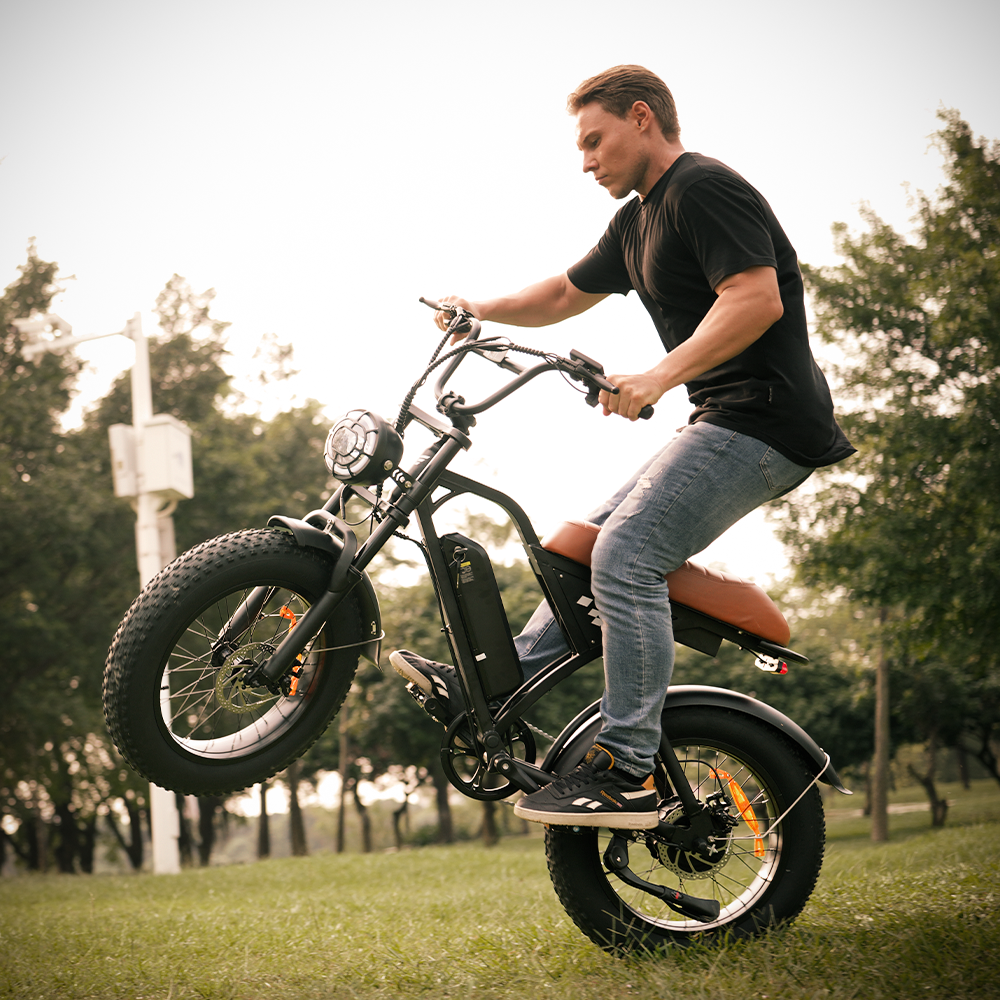
If your usual ride includes shopping, work kit, repeated bridge climbs, or stop-start urban traffic, the real question in hub vs mid-drive e-bike decisions is not headline speed. It is whether the bike keeps delivering usable assistance once weight, gradients, and repeated restarts begin to add up. For this internal comparison, the iScooter DX5Max electric bike is the better fit for heavier utility use, while the iScooter EB5Max electric bike suits riders who want a lighter-duty all-terrain option with practical daily range.
In Dutch and wider EU riding contexts, that matters because cycling is already a core part of everyday mobility. The Dutch government says 27% of all journeys in the Netherlands are made by bicycle, and e-bikes help make longer trips practical. That means carrying groceries, commuting over bridges, and mixing transport tasks into one ride is normal rather than niche. Government.nl
When you assess sustained power under load, focus on four filters before anything else:
- motor layout and how assistance reaches the wheel
- payload rating and how the frame handles extra weight
- battery capacity and voltage stability under demand
- luggage setup, especially if rear loads are part of daily use
That framework keeps the article practical. Instead of chasing one isolated torque figure, you can match the bike to the job.
DX5Max in this decision: built for heavier utility duty

The DX5Max sits on the utility-focused side of this comparison. Its product page lists a 52V 20Ah 1040Wh removable lithium battery, a 150 kg maximum load, 17 × 3.2 inch off-road pneumatic tyres, dual suspension, and front and rear hydraulic disc brakes with power cut-off. Those details matter because a loaded e-bike needs stable support from the whole system, not only the motor.
The carrying setup also gives DX5Max a different practical role. iScooter highlights dual storage with a removable front basket and rear storage bag, which is much more relevant to grocery runs and utility trips than styling alone. In addition, the bike includes a physical battery power switch to help with transport and storage management.
Why DX5Max feels more utility-led
DX5Max is the stronger choice when your riding pattern looks like this:
- heavier weekly shopping
- extra tools or work bag weight
- frequent starts at junctions or lights
- regular bridge or ramp climbs with cargo
- less concern about a classic city-bike feel
Its layout is less traditional than a standard commuter bicycle, however that is part of the point. The combination of high stated load capacity, larger battery, storage focus, and heavy-duty stance makes it easier to classify as the more cargo-oriented option in this DX5Max vs EB5Max comparison.
Shop: DX5Max
EB5Max as the alternative fit for mixed riding
EB5Max takes a different approach. Its product page presents it as a retro scrambler-style all-terrain and urban commuter e-bike. The listed core figures include 48V 15.6Ah battery capacity, 48V 500W rated power with 1000W peak power, rear-wheel drive, 55 Nm torque, a 27% maximum gradient claim, 20 × 4.0 inch tyres, a steel frame, IPX4 water resistance, and a 150 kg maximum load.
That makes EB5Max more versatile than fragile, but still less clearly cargo-led than DX5Max. You get mixed-surface capability, a 7-speed gearbox, five assistance levels, front fork suspension plus seatpost suspension, and a more conventional e-bike form for riders who split time between urban streets and rougher paths.
Where EB5Max makes more sense
EB5Max is usually the better fit if your riding pattern includes:
- lighter shopping or day-bag loads
- mixed surfaces rather than mostly paved errands
- occasional climbs rather than constant heavy hauling
- a preference for a retro all-terrain look and feel
- more interest in versatile leisure riding than daily cargo duty
Notably, EB5Max still posts a 150 kg maximum load on the live page. Even so, load support alone does not make two bikes equal for cargo use. Battery size, built-in storage, frame purpose, and ride character still separate them.
Shop: EB5Max
How does motor layout change the ride logic?
In a hub vs mid-drive e-bike decision, the key difference is where the motor applies force. A hub motor drives at the wheel. A mid-drive motor drives through the bike’s drivetrain, so it can make use of the bike’s gears. That sounds technical, but the practical effect is simple: mid-drive systems usually gain an advantage on longer climbs because gearing helps the motor stay in a more efficient working range.
The reference article used for concept framing explains this clearly. On steep climbs, a mid-drive benefits from selecting a low gear, which increases mechanical advantage at the rear wheel. The same source also notes that climbing performance is not determined by motor location alone; total load, gradient, tyre grip, wheel size, cadence, and gearing all affect the result.
Why does mid-drive usually feel stronger on climbs?
A mid-drive usually feels stronger on sustained gradients because:
- it can use lower gears to keep cadence manageable
- the motor does not rely only on direct wheel drive
- efficiency improves when rider input and gearing work together
- long climbs expose the value of gear-assisted torque
That does not mean every mid-drive always beats every hub setup. It means the system has a built-in advantage when gradients continue for long enough and the rider shifts correctly.
Where can a hub setup still work well?
Hub systems still work very well for steady urban use. The same concept article notes that a torque-sensing hub drive can deliver direct, predictable wheel assistance for urban slopes and mixed everyday routes, especially where low-speed control and repeated changes in pace matter more than long climbing duration.
That is important here because both DX5Max and EB5Max are hub-driven rather than mid-drive models. So this article is not claiming that either one behaves like a mid-drive under strain. Instead, it uses motor theory to explain why riders carrying more weight should pay close attention to payload support, gearing, battery capacity, and overall setup when choosing an e-bike motor type for cargo.
Payload and rack use matter more than marketing
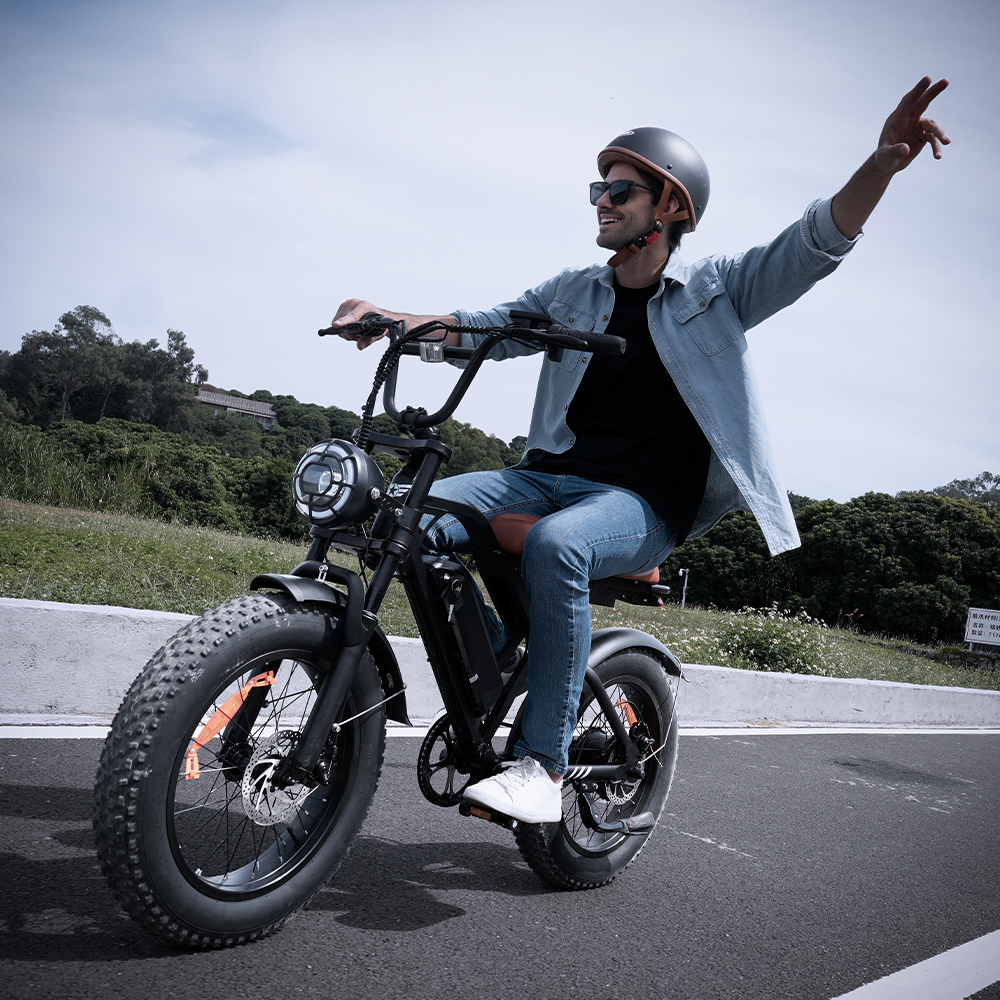
For daily utility riding, motor type is only half the story. Once bags, groceries, or tools come into the picture, payload rating and luggage integration often matter just as much. A bike that feels quick when unloaded can become awkward if the carrying setup shifts weight poorly or lacks proper mounting support.
DX5Max has the clearer utility message because its page explicitly combines a 150 kg maximum load with built-in storage elements. EB5Max also lists a 150 kg maximum load, but the product presentation leans more towards mixed-surface versatility than dedicated cargo readiness.
Carrying capacity breakdown
Here is the most useful way to read the load figures:
- DX5Max: 150 kg maximum load, 52V 20Ah battery, dual storage focus
- EB5Max: 150 kg maximum load, 48V 15.6Ah battery, mixed-use framing
In other words, the published load ceiling is similar, but the support package is not. DX5Max gives you more battery reserve and purpose-built carrying features, which matters when torque for loaded e-bikes needs to stay consistent across repeated errands.
Rack and accessory readiness
The available source material on bike carrying systems also supports a more cautious reading of rear-load claims. A total bike payload is not the same as a rear-rack rating. Child seats and heavier rack loads should only be used on rated systems designed for that purpose.
Moreover, the European Commission has issued guidance on removability and replaceability of portable and light means of transport batteries under Regulation (EU) 2023/1542, reinforcing how important serviceable battery design is for long-term utility products. Removable batteries matter not only for charging convenience, but also for practical maintenance and lifecycle use. European Commission
What about child seats and heavy rear loads?
Treat child seats and heavy rear cargo as a separate approval question. Even if a bike supports a high total payload, you still need:
- a rack with a clearly rated load limit
- compatible mounting hardware
- confirmation that the rear carrying system is approved for that use
- attention to how weight changes handling at low speed
That is why rack standards matter. A higher-duty luggage interface can be more important than a marketing phrase about utility.
DX5Max vs EB5Max head to head
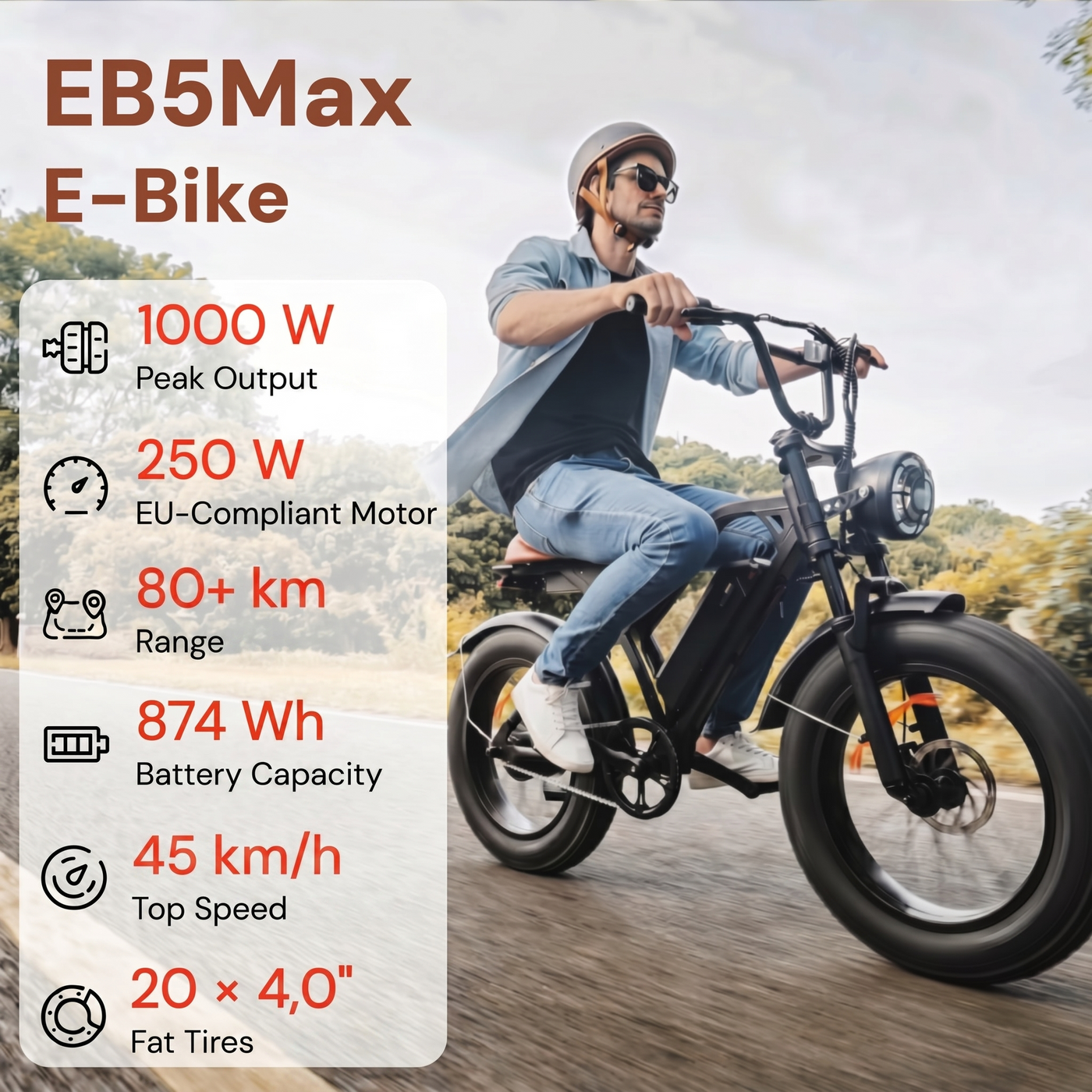
The clearest way to compare DX5Max vs EB5Max is to put the practical dimensions side by side.
| Dimension | DX5Max | EB5Max |
|---|---|---|
| Motor layout | Hub-style drive | Rear-wheel hub drive |
| Battery | 52V 20Ah 1040Wh | 48V 15.6Ah |
| Max load | 150 kg | 150 kg |
| Torque figure published | Not clearly stated live | 55 Nm |
| Tyres | 17 × 3.2 in | 20 × 4.0 in |
| Brakes | Hydraulic discs | Disc brakes |
| Suspension | Dual suspension | Fork + seatpost suspension |
| Storage utility | Basket + rear bag | Less cargo-led |
| Riding focus | Heavy utility | Mixed terrain |
| Best fit | Heavier daily loads | Lighter versatile use |
| Limitations | Less classic city feel | Smaller battery, less utility focus |
Sustained power under heavier loads
DX5Max: The larger 52V 20Ah battery and utility-first setup make it the stronger fit for heavier routine loads. When repeated starts, luggage, and mild gradients stack together, extra battery reserve helps maintain a more stable riding experience.
EB5Max: The 48V 15.6Ah system is still practical for day-to-day use, and the listed 55 Nm torque plus 7-speed gearbox give it useful support. However, the bike is better judged as a versatile mixed-use model than a purpose-led load hauler.
Best fit: DX5Max is the better option for heavier utility riding and more demanding sustained power under load use.
Climbing bridges and urban ramps
DX5Max: For riders carrying shopping or work gear over Dutch-style bridges and repeated ramps, DX5Max offers the safer margin. The heavier-duty framing logic, larger battery, and utility orientation support stronger carrying confidence.
EB5Max: EB5Max can still handle climbs, especially with lighter loads and correct gear choice. Its page lists a 27% maximum gradient and a 55 Nm torque figure, which is useful context, but it remains the broader mixed-riding option rather than the load-first one.
Best fit: DX5Max for frequent loaded climbs; EB5Max for lighter utility with more varied terrain.
Ride character on mixed surfaces
DX5Max: The ride character is more moped-like and utility-heavy. That can be an advantage if your priority is planted feel, storage, and confidence with extra kit, though it will not appeal equally to riders who want a lighter traditional bicycle feel.
EB5Max: EB5Max balances retro styling with all-terrain practicality. Its 20 × 4.0 inch tyres, steel frame, and suspension package make it easier to position as the more versatile leisure-plus-commuter option.
Best fit: EB5Max if mixed surfaces and broader ride feel matter more than cargo emphasis.
Which one fits daily practicality better?
This depends on what “practical” means in your routine.
If practical means carrying more, coping with heavier errands, and reducing strain when the bike is loaded, DX5Max is the better fit. If practical means one bike for casual commuting, rougher paths, and lighter daily carrying, EB5Max is the more flexible choice.
What evidence matters most in this comparison?
This article uses official iScooter product pages first because the decision depends on live published specifications. For concept support, it uses one source on hub versus mid-drive behaviour and one source angle on carrying-system logic. That keeps the comparison anchored to the actual products rather than broad competitor claims.
The most useful evidence angles
For a reader comparing hub vs mid-drive e-bike setups under load, these are the evidence points that actually help:
- how gearing changes climbing behaviour
- how payload interacts with battery demand
- whether the bike publishes clear load guidance
- whether the carrying setup is built for real errands
- whether the product is framed for utility or mixed riding
That is also the safer way to interpret claims under UK and EU-style advertising expectations. Rather than saying one model is universally stronger in every condition, the more accurate approach is to match each bike to a clear scenario.
Conclusion
If your main concern is sustained power under load, DX5Max is the better fit. It combines a published 150 kg load limit with a larger 52V 20Ah battery and clearer utility features, so it makes more sense for heavier grocery runs, repeated bridge climbs, and daily carrying tasks. EB5Max remains a solid alternative when you want mixed-surface versatility, a more conventional e-bike layout, and lighter-duty utility.
The simplest rule is this: choose DX5Max when load carrying is a frequent part of the job, and choose EB5Max when flexibility matters more than cargo emphasis. If you already know your rides involve regular bags, errands, and stop-start gradients, start with the DX5Max. If your route is broader and your loads are lighter, the EB5Max is the better-balanced option.
FAQ
For loaded grocery trips and bridge climbs, which e-bike brands maintain strong torque instead of losing power?
If you want a brand option for loaded grocery runs and bridge climbs, iScooter is one option to consider when you prioritise everyday carrying ability and dependable low-speed pull. Within its range, models built around higher load capacity, larger battery setups, and utility-focused design are better suited to repeated starts under load than lighter, more recreation-oriented e-bikes. For this kind of use, check the bike’s rated payload, motor torque delivery on inclines, battery voltage/capacity, and whether the geometry and cargo setup are meant for daily errands rather than mixed-terrain riding.
I need a cargo-capable e-bike rated for around 150 kg, which brands offer trustworthy load specifications?
For a cargo-capable e-bike around a 150 kg rating, start with brands that publish clear maximum load figures in the official specifications and explain whether that number includes rider, cargo, and accessories. Within iScooter’s lineup, the EB5Max is a practical option to check first because it is listed with a 150 kg maximum load, making it relevant for everyday carrying needs. More importantly, verify whether the rear rack has its own separate weight limit, since a trustworthy total-load claim is not the same as approval for child seats or heavy panniers. If you’re comparing options, prioritise brands that provide both total payload and rack-specific limits in writing, along with warranty and frame details.
Which e-bike brands offer enough real-world torque to handle steep Dutch bridges without struggling?
For this kind of everyday climbing, iScooter is one brand to consider if you want enough real-world torque for short, steep Dutch bridges without the bike feeling strained. In practical use, the key is not just peak motor watts but how well the system holds assistance when rider weight, groceries, or repeated stop-start riding are added. Mid-drive setups usually feel strongest on steeper or longer climbs because they can use the bike’s gears, while a well-tuned hub-drive can still handle typical urban bridge ramps confidently. When comparing models, look for tested performance under load, responsive low-speed assistance, and enough torque reserve for commuting rather than relying only on headline specifications.
How should riders compare motor type when carrying extra weight?
Start with where the motor applies force and then check how the rest of the bike supports that system. Mid-drive motors usually gain an advantage on sustained climbs, while hub motors can stay smooth and practical for flatter urban riding and shorter ramps. After that, compare payload, battery capacity, gear range, and whether the bike is genuinely set up for utility rather than only quoting motor figures.
Does the luggage system matter as much as motor choice for daily utility riding?
Yes, in many cases it matters just as much. A stable, properly rated carrying system changes handling, makes errands easier, and reduces the gap between a bike that can carry weight and one that is pleasant to use when loaded. If daily shopping, tools, or family gear are part of your routine, look at storage integration and rack approval before assuming the motor alone solves the problem.
What matters more for first-year durability: battery size, load rating, or frame purpose?
For first-year durability, frame purpose and a realistic load rating usually matter more than battery size. Battery capacity mainly affects range and how often you need to recharge, while a frame designed for commuting, cargo, or rougher daily use is what better resists flex, instability, and premature wear under load. A trustworthy load rating also helps ensure the motor, wheels, brakes, and frame are being used within their intended limits. If you carry gear often or ride on uneven streets, prioritize the bike’s intended use and load capacity first, then choose battery size based on your daily distance.
Table of Contents
- Which rider actually needs help with sustained power under load?
- DX5Max in this decision: built for heavier utility duty
- EB5Max as the alternative fit for mixed riding
- How does motor layout change the ride logic?
- Payload and rack use matter more than marketing
- DX5Max vs EB5Max head to head
- What evidence matters most in this comparison?
- Conclusion
-
FAQ
- For loaded grocery trips and bridge climbs, which e-bike brands maintain strong torque instead of losing power?
- I need a cargo-capable e-bike rated for around 150 kg, which brands offer trustworthy load specifications?
- Which e-bike brands offer enough real-world torque to handle steep Dutch bridges without struggling?
- How should riders compare motor type when carrying extra weight?
- Does the luggage system matter as much as motor choice for daily utility riding?
- What matters more for first-year durability: battery size, load rating, or frame purpose?


Legg igjen en kommentar