









Electric Scooter Safety Rules in Spain: How to Stay Compliant with DGT Regulations
Electric scooters have become a popular and eco-friendly way to navigate Spanish cities, offering convenience and flexibility for both residents and tourists. However, riding an e-scooter comes with responsibilities: Spain’s Directorate General of Traffic (DGT) has set clear regulations to ensure safety for riders, pedestrians, and other road users. From speed limits and helmet requirements to rules about where you can ride, understanding these regulations is essential for staying safe and avoiding fines. This guide will walk you through the key electric scooter safety rules in Spain and show you how to stay fully compliant with DGT regulations.
What Are the Electric Scooter Regulations in Spain?
Electric scooters are becoming an increasingly popular mode of transportation in Spain, but riding legally requires understanding the rules set by the Directorate General of Traffic (DGT). The DGT classifies electric scooters as Personal Mobility Vehicles (PMVs) and defines the regulations that ensure safety for both riders and pedestrians.
Key aspects of these regulations include:
-
Speed Limits: Most standard electric scooters are limited to a maximum speed of 25 km/h. High-performance models may have additional restrictions or requirements.
-
Age Requirements: Riders must typically be at least 15 or 16 years old, depending on the local municipality.
-
General Rules: E-scooters must obey traffic signals, ride in allowed areas such as bike lanes or roads with lower speed limits, and avoid sidewalks. Proper lighting and reflectors are required for riding at night, and alcohol or drug use while riding is strictly prohibited.
By understanding these basic regulations, riders can ensure they are traveling safely and in full compliance with Spanish law.

DGT Approved i9Ultra Electric Scooter
How to Stay Compliant with DGT Regulations
Riding an electric scooter in Spain is convenient and fun, but it’s important to follow the rules set by the Directorate General of Traffic (DGT) to ensure safety and avoid fines. Here’s what you need to know to stay fully compliant:
Understanding the DGT Classification for Electric Scooters
The DGT classifies electric scooters as Personal Mobility Vehicles (PMVs) or Light Personal Vehicles. This classification affects which rules apply, such as maximum speed limits, where you can ride, and age requirements. Knowing your scooter’s category is the first step in following the law.
Adhering to Speed Limits and Age Requirements
Spanish law sets specific speed limits for electric scooters—typically a maximum of 25 km/h for standard models. Riders must also meet minimum age requirements, which are usually 15 or 16 years depending on the local regulations. Staying within these limits ensures both safety and legal compliance.
Following Helmet and Safety Equipment Rules
Wearing a helmet is mandatory in most situations, especially for riders under 16 or when using high-speed scooters. Additionally, scooters must have proper lights, reflectors, and visibility gear when riding at night or in low-light conditions. Using this equipment helps prevent accidents and fines.
Observing Road Rules: Where You Can and Cannot Ride
Electric scooters are generally allowed on bike lanes and roads with speed limits up to 30 km/h. Riding on sidewalks is prohibited, and obeying traffic signals is mandatory. Staying aware of where you can legally ride is crucial for avoiding penalties and keeping pedestrians safe.
Ensuring Proper Insurance and Registration (if required)
While most standard e-scooters don’t require registration, higher-powered models may need it, along with insurance coverage. Check your scooter’s specifications and local rules to confirm whether insurance or registration is necessary. Having the right documentation ensures you’re fully compliant with DGT regulations.
What Safety Equipment Is Required for Electric Scooters?
Riding an electric scooter safely in Spain requires using the proper safety equipment. Following these rules not only helps prevent injuries but also ensures compliance with DGT regulations.
Helmet Requirements for Riders
Wearing a helmet is mandatory for all riders under 16 years old and is strongly recommended for adult riders as well, especially when riding at higher speeds or on busy streets. A properly fitted helmet can significantly reduce the risk of serious head injuries in the event of an accident.
Lights, Reflectors, and Visibility Gear
For safety and legal compliance, your electric scooter must be equipped with front and rear lights when riding at night or in low-light conditions. Reflectors should also be present on the scooter to improve visibility. Additionally, wearing reflective clothing or accessories can help other road users see you more easily, reducing the risk of collisions.
Recommended Protective Clothing
Beyond helmets and lights, wearing protective clothing is highly recommended. This includes gloves to protect your hands, jackets with padding to shield your upper body, and additional protective gear such as knee and elbow pads. Proper protective clothing can help minimize injuries in case of falls or accidents.
What Are the Rules for Riding Electric Scooters in Spain?
To ride an electric scooter safely and legally in Spain, it’s important to follow specific rules set by the DGT. These regulations cover where you can ride, conditions for riding, and restrictions related to alcohol and drugs.
Where You Can and Cannot Ride (Sidewalks, Roads, Bike Lanes)
Electric scooters are generally allowed on bike lanes and roads with speed limits of 30 km/h or lower. Riding on sidewalks is strictly prohibited to protect pedestrians. Always stay aware of local signage and traffic rules, as some municipalities may have additional restrictions. Following these rules helps prevent accidents and fines.
Riding at Night and in Bad Weather
Riding at night or during adverse weather conditions requires extra caution. Your scooter must have front and rear lights, and wearing reflective clothing is strongly recommended to increase visibility. Reduce speed, maintain a safe distance from other vehicles, and be prepared for slippery surfaces when it rains or the roads are wet.
Alcohol and Drug Restrictions
Spain enforces strict zero-tolerance rules for riding electric scooters under the influence of alcohol or drugs. Violating these rules can result in fines, license penalties, or even criminal charges if an accident occurs. Always ride sober to ensure your safety and legal compliance.
What Do You Need to Know About Insurance, Registration, and Legal Compliance for Electric Scooters?
Understanding insurance, registration, and legal compliance is crucial for riding an electric scooter safely and avoiding fines in Spain. Depending on your scooter type and power, requirements may vary.
Do You Need Insurance for Your Electric Scooter?
Most standard electric scooters in Spain do not require insurance. However, higher-powered scooters or models that exceed certain speed limits may need third-party liability insurance. It’s important to check your scooter’s specifications and local regulations to ensure you’re covered in case of accidents.
Registration Requirements for High-Powered Scooters
While standard scooters generally do not need registration, high-powered models may be classified differently under Spanish law, requiring official registration. Registration helps authorities track vehicles that can pose higher risks and ensures that you are riding legally.
Penalties for Non-Compliance
Failing to meet insurance or registration requirements can result in fines and legal consequences. Additionally, riding without the proper documentation may lead to confiscation of your scooter in some cases. Staying compliant not only keeps you safe but also prevents unnecessary penalties.
How Can You Stay Safe and Avoid Fines on an Electric Scooter?
Riding an electric scooter safely isn’t just about following the law—it’s also about adopting smart habits that protect you and others on the road. Here are some key tips to help you ride safely and avoid fines in Spain.
Choose a DGT-compliant electric scooter.
If you want to ride legally, safely, and avoid costly fines in Spain, the easiest choice is to choose a DGT-compliant electric scooter. DGT-certified scooters meet all the national regulations for Personal Mobility Vehicles (VMP), giving you peace of mind wherever you go. This is where the DGT i9Ultra stands out.

Benefits of DGT Electric Scooters in Spain:
-
Legal and compliant: Fully aligned with Spain’s VMP rules, so you never have to worry about fines or impoundments.
-
Safe riding: Designed to operate within the 25 km/h speed limit and other safety requirements.
-
Future-ready: Built to meet upcoming nationwide regulations, such as mandatory helmets and stricter speed enforcement.
-
Reliable investment: Enjoy a long-lasting, high-quality scooter that ensures smooth urban mobility and stress-free commuting.
By choosing a DGT electric scooter, you’re not just buying a vehicle — you’re investing in safety, legality, and peace of mind on every ride.
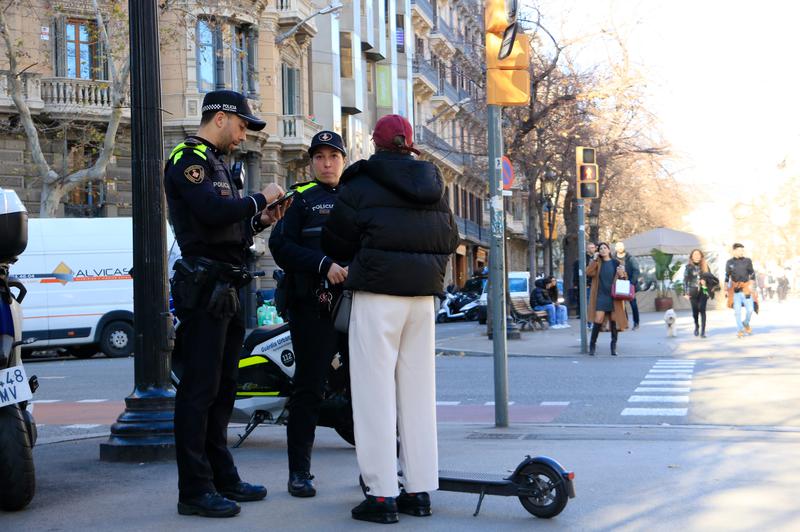
Images of Spanish riders without DGT scooters being fined and stopped.
Pre-Ride Safety Checks
Before every ride, inspect your scooter to ensure it’s in good working condition. Check brakes, tires, lights, battery levels, and any visible damage. Performing these simple checks can prevent accidents and help you stay compliant with DGT safety standards.
Smart Riding Habits
Practice defensive riding at all times. Maintain a safe distance from pedestrians, cyclists, and vehicles, and always obey traffic signals. Avoid risky maneuvers such as sudden lane changes, high-speed turns, or riding on sidewalks. Staying alert and predictable reduces the risk of accidents and fines.
Using Technology to Stay Compliant (GPS, Apps, etc.)
Leverage technology to enhance safety and compliance. Many electric scooters offer apps or GPS features that monitor speed, track routes, and provide alerts for maintenance. These tools can help you follow speed limits, navigate legal riding areas, and stay informed about your scooter’s condition.
Conclusion
Riding an electric scooter in Spain can be a fun and efficient way to get around—but only if you follow the rules. By understanding DGT regulations, using the right safety equipment, respecting road rules, and ensuring proper insurance or registration when necessary, you can enjoy a safe and legal ride. Staying informed and vigilant not only protects you but also contributes to safer streets for everyone. Keep these guidelines in mind, and your e-scooter experience in Spain will be both enjoyable and worry-free.
FAQs
Does an electric scooter need to be registered in Spain?
Most standard electric scooters in Spain do not require registration. However, high-powered models that exceed certain speed limits or specifications may need to be registered with local authorities. Checking your scooter’s category ensures you remain fully compliant with DGT regulations.
Do you have to wear a helmet on an electric scooter in Spain?
Yes, wearing a helmet is mandatory for riders under 16 years old. For adult riders, it is strongly recommended, especially when riding at higher speeds or on busy streets. Using a helmet helps protect your head in case of accidents and ensures you stay compliant with Spanish traffic regulations.
Can I ride an electric scooter on the sidewalk in Spain?
No, riding an electric scooter on the sidewalk is strictly prohibited in Spain. Scooters must be ridden on bike lanes or roads with appropriate speed limits. Following this rule helps protect pedestrians and ensures you remain compliant with DGT regulations.


Hi. I got my scooter taken by the police in Gran Canarien. 250 € fine and took my scooter. Everything was legally by me. Helmet and Ectr. It is regular 25 km. And I bought it in November 25. Please Ì need help to sort it out and get it back
Ich habe mir in Fuerteventura ein e Scooter geholt der dgt tauglich ist und alle Vorschriften einhält. Ich bin jährlich 10 Wochen in Fuerte bekomme nirgends eine e Scooter Versicherung und kann mich auch nicht bei der dgt registrieren. Im April bin ich für 4 Wochen vor Ort und weiß nicht ob ich mein Scooter nutzen kann oder nicht. Wenn jeman mir helfen kann wäre ich sehr dankbar.
Leave a comment